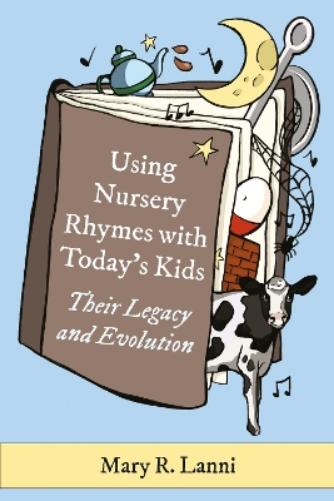
Using Nursery Rhymes with Today’s Kids
Their Legacy and Evolution Nursery rhymes are easy to remember, recite, and pass on to future generations, but are these transmitters of popular culture still relevant and appropriate?
Reflects on nursery rhymes and other oral stories, which sometimes have complicated histories, to support early literacy efforts and examine the lessons children are learning in light of diversity, equity, inclusion, and accessibility efforts in our multicultural society.
In an increasingly multicultural world, it’s critical to examine the lessons children are learning—both directly and indirectly—to ensure a positive collective future for everyone.
Readers are introduced to nursery rhymes from a historical and international perspective, where common themes and original intents are explored. The book highlights the importance of oral storytelling in cultures around the world and details the ways in which nursery rhymes provide young children with the tools to become strong readers. This guide also explores how popular modern children’s songs borrow from older tunes to be accessible to a contemporary audience.
An examination of the more nuanced elements of nursery rhymes highlights cultural changes that can affect the meaning of these older songs, questioning whether using the tune of a song with a problematic history is appropriate and whether altering only the offending words/phrases is sufficient to justify continued use. On-the-ground examples illustrate the ways in which songs can affect participants in different ways. Finally, the book helps readers make educated choices about how best to use nursery rhymes to support diversity, equity, inclusion, and accessibility.
Product Information
Product Information
Shipping & Returns
Shipping & Returns
Description
Their Legacy and Evolution Nursery rhymes are easy to remember, recite, and pass on to future generations, but are these transmitters of popular culture still relevant and appropriate?
Reflects on nursery rhymes and other oral stories, which sometimes have complicated histories, to support early literacy efforts and examine the lessons children are learning in light of diversity, equity, inclusion, and accessibility efforts in our multicultural society.
In an increasingly multicultural world, it’s critical to examine the lessons children are learning—both directly and indirectly—to ensure a positive collective future for everyone.
Readers are introduced to nursery rhymes from a historical and international perspective, where common themes and original intents are explored. The book highlights the importance of oral storytelling in cultures around the world and details the ways in which nursery rhymes provide young children with the tools to become strong readers. This guide also explores how popular modern children’s songs borrow from older tunes to be accessible to a contemporary audience.
An examination of the more nuanced elements of nursery rhymes highlights cultural changes that can affect the meaning of these older songs, questioning whether using the tune of a song with a problematic history is appropriate and whether altering only the offending words/phrases is sufficient to justify continued use. On-the-ground examples illustrate the ways in which songs can affect participants in different ways. Finally, the book helps readers make educated choices about how best to use nursery rhymes to support diversity, equity, inclusion, and accessibility.