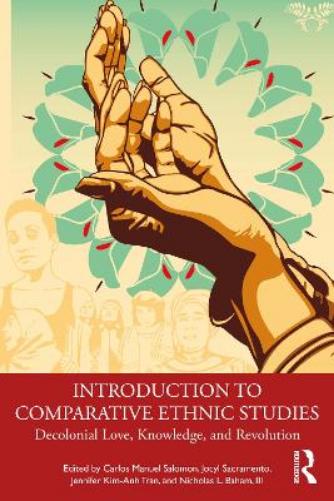
Introduction to Comparative Ethnic Studies
Decolonial Love, Knowledge, and Revolution This book guides instructors and students through an intersectional and comparative approach to understanding key theories, concepts, practices, and movements in Ethnic Studies. This book guides instructors and students through an intersectional and comparative approach to understanding key theories, concepts, practices, and movements in Ethnic Studies. Written for introductory courses and for those new to Ethnic Studies, the book explores the decolonial legacies and origins of Ethnic Studies before delving into a broad array of vital and vivid topics including music and performance, U.S. militarism and migration, racial capitalism, gender and sexuality, environmental activism, and liberation through education, amongst others. Each chapter introduces the decolonial process of love, knowledge, and revolution rooted in the theoretical and activist lineages of Ethnic Studies as an academic discipline. Key features include: This book will be essential reading for students and teachers of courses in Ethnic Studies, and those interested in learning about the complex processes of race making and power through the lens of multiracial lived experiences in the United States.
Product Information
Product Information
Shipping & Returns
Shipping & Returns
Description
Decolonial Love, Knowledge, and Revolution This book guides instructors and students through an intersectional and comparative approach to understanding key theories, concepts, practices, and movements in Ethnic Studies. This book guides instructors and students through an intersectional and comparative approach to understanding key theories, concepts, practices, and movements in Ethnic Studies. Written for introductory courses and for those new to Ethnic Studies, the book explores the decolonial legacies and origins of Ethnic Studies before delving into a broad array of vital and vivid topics including music and performance, U.S. militarism and migration, racial capitalism, gender and sexuality, environmental activism, and liberation through education, amongst others. Each chapter introduces the decolonial process of love, knowledge, and revolution rooted in the theoretical and activist lineages of Ethnic Studies as an academic discipline. Key features include: This book will be essential reading for students and teachers of courses in Ethnic Studies, and those interested in learning about the complex processes of race making and power through the lens of multiracial lived experiences in the United States.